A multi-region field and laboratory program designed to characterize how grayanotoxin profiles and levels vary across Himalayan harvesting zones — by district, altitude band, and seasonal harvest window.
This work supports clearer verification definitions and consistent safety communication by documenting the variability that makes batch-level testing essential.
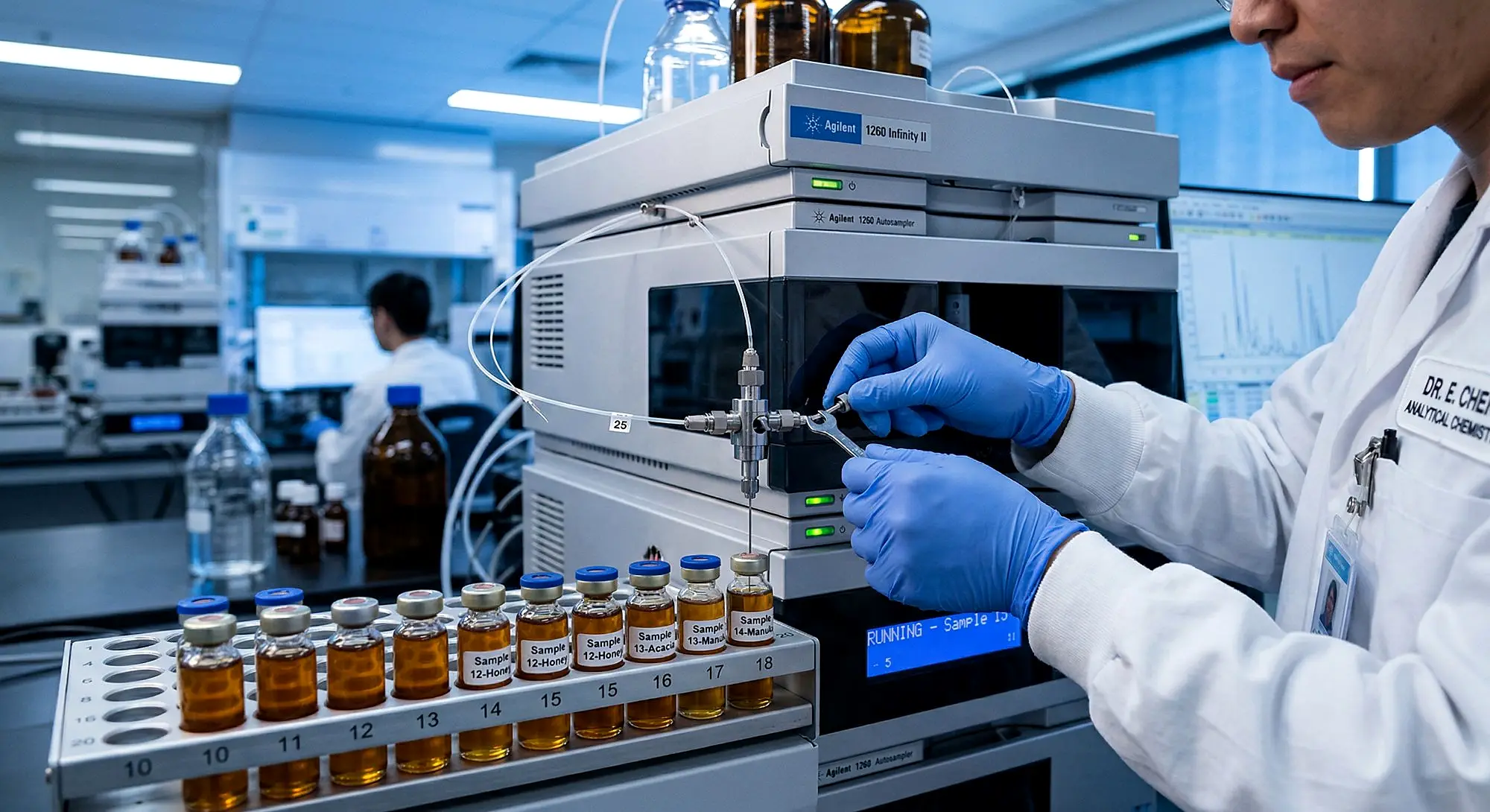
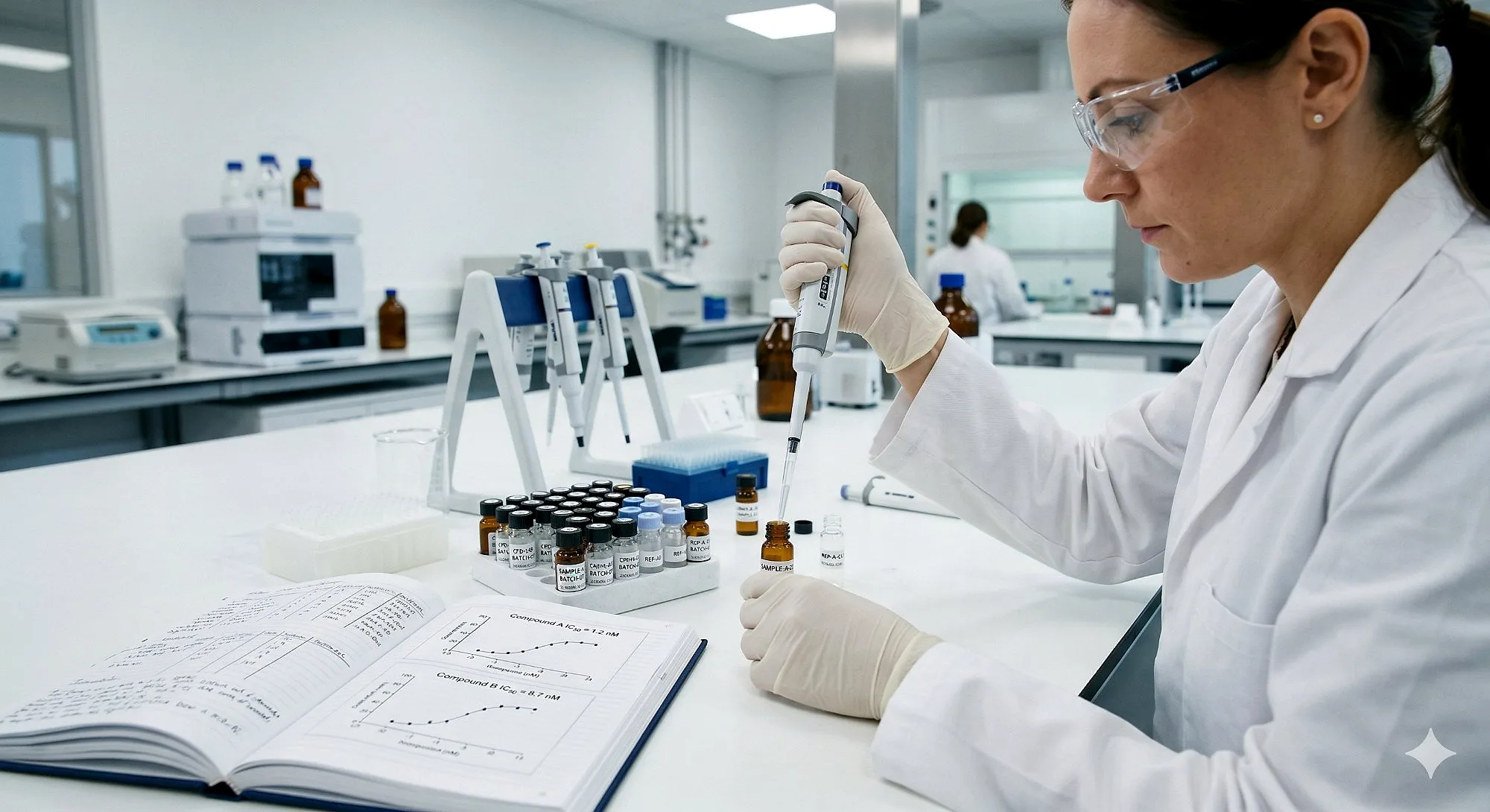
A controlled dose-response study evaluating the systemic effects of grayanotoxins I and III at varying dose levels — generating the pharmacological data currently absent from scientific literature.
Results will define human-equivalent dose ranges, inform label standards, and provide the regulatory evidence base needed for international compliance.
Systematic collection and comprehensive chemical analysis of Mad Honey samples from across Nepal's harvesting districts — building the reference dataset that underpins IMHSI's classification and grading system.
Every sample follows a documented chain-of-custody protocol through HPLC profiling, physicochemical analysis, and bioactive screening.
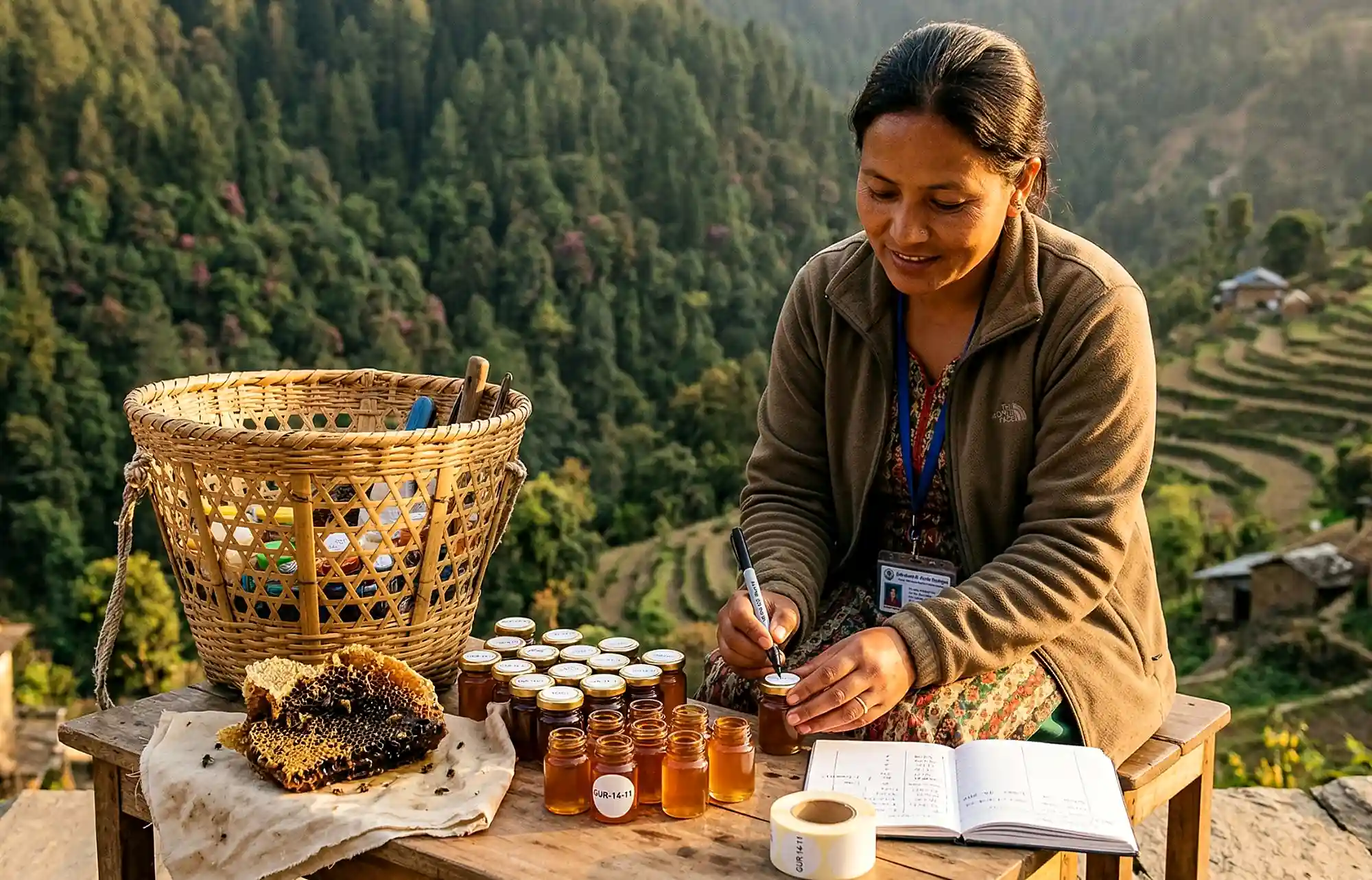

Developing standardized label doses and multi-parameter quality benchmarks for Mad Honey — covering grayanotoxin-based classification, antioxidant activity, antimicrobial potential, and immune-modulating effects.
This work ensures safe consumption guidelines, international compliance, producer protection, and a clear regulatory pathway for global trade.
The flagship initiative that brings together every strand of IMHSI's research into a comprehensive, internationally recognized safety, quality, and traceability certification for Himalayan cliff honey.
This is the world's first structured framework for Mad Honey — aligning with Codex Alimentarius and international food safety regulations to create a certification that protects consumers, supports communities, and legitimizes the global trade.

For general enquiries, visit our Contact page.