Himalayan cliff honey is produced in a narrow ecological band where Rhododendron forests meet high-altitude cliff faces — primarily across Nepal, Bhutan, Northeast India, and Turkey's Black Sea region.
The unique combination of altitude, floral sources, and the foraging range of Apis laboriosa creates a product found nowhere else on Earth. The grayanotoxin content varies by region, season, and Rhododendron species — making geographic origin one of the most important factors in understanding any given batch.
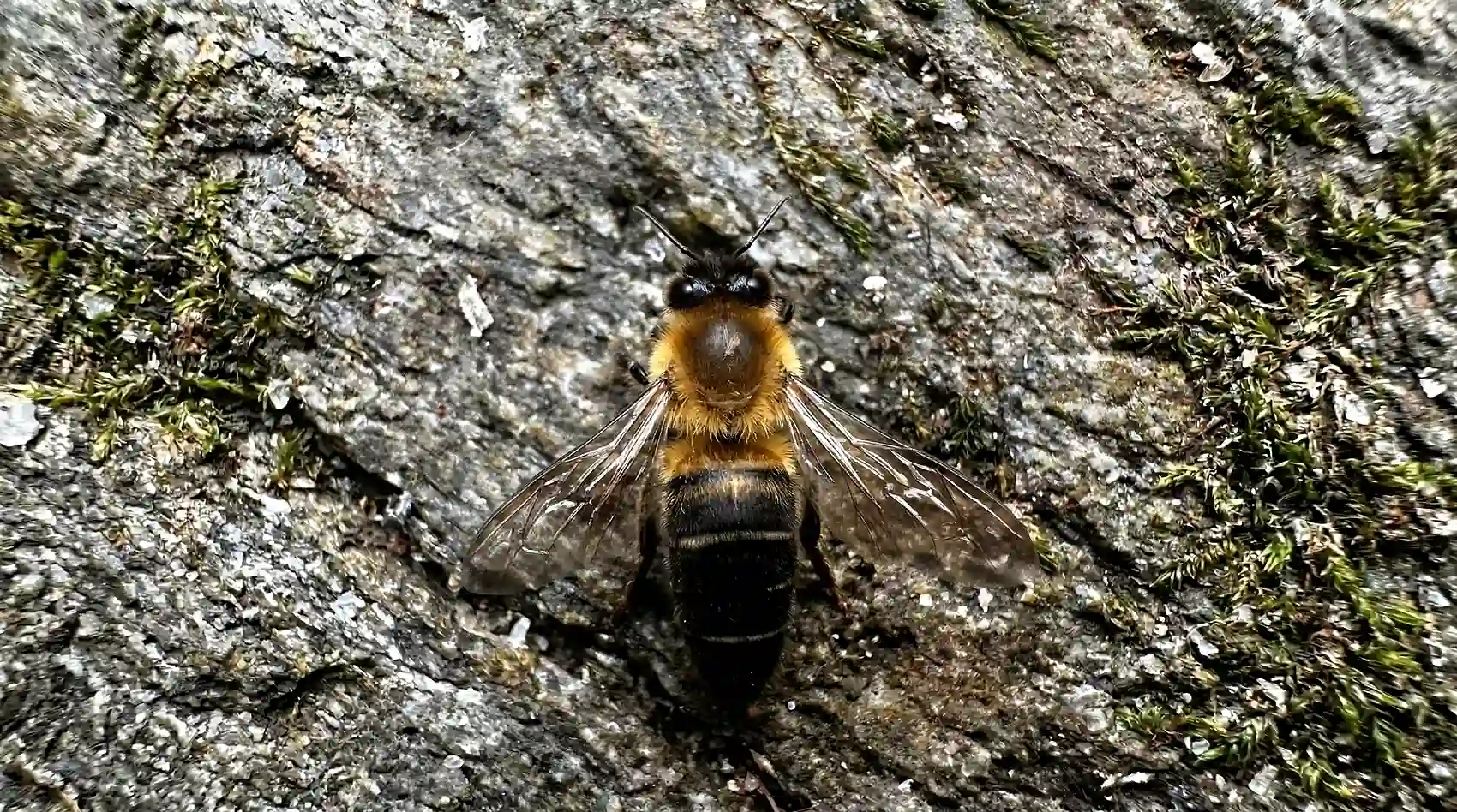
Apis laboriosa — the world's largest honeybee — builds exposed combs on Himalayan cliff faces at elevations between 1,200 and 3,500 metres. These colonies migrate seasonally to follow Rhododendron blooms, making their nesting and foraging patterns directly tied to the quality and composition of the honey they produce.
Understanding their ecology, conservation status, and the threats they face from habitat loss and climate change is essential to any credible standards framework for cliff honey.
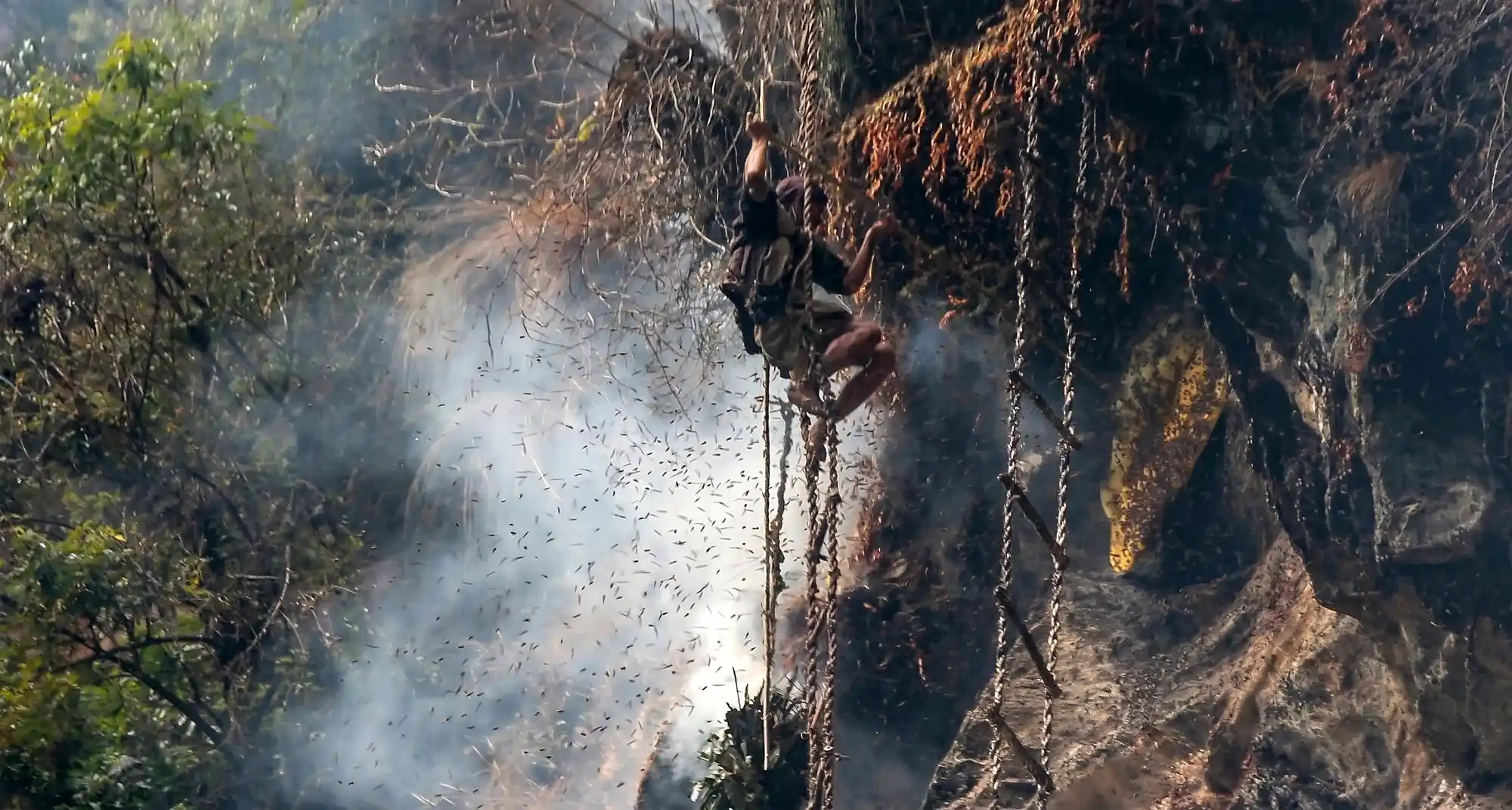
Gurung honey hunters in Nepal's Lamjung and Kaski districts have passed down cliff-harvesting techniques for generations — using rope ladders, smoke, and precise seasonal timing handed from elder to apprentice.
Similar traditions exist in Turkey's Black Sea highlands and across Bhutan's eastern districts. IMHSI documents this indigenous knowledge through community consultations, co-authored research, and benefit-sharing agreements that ensure traditional knowledge holders retain ownership of their expertise.
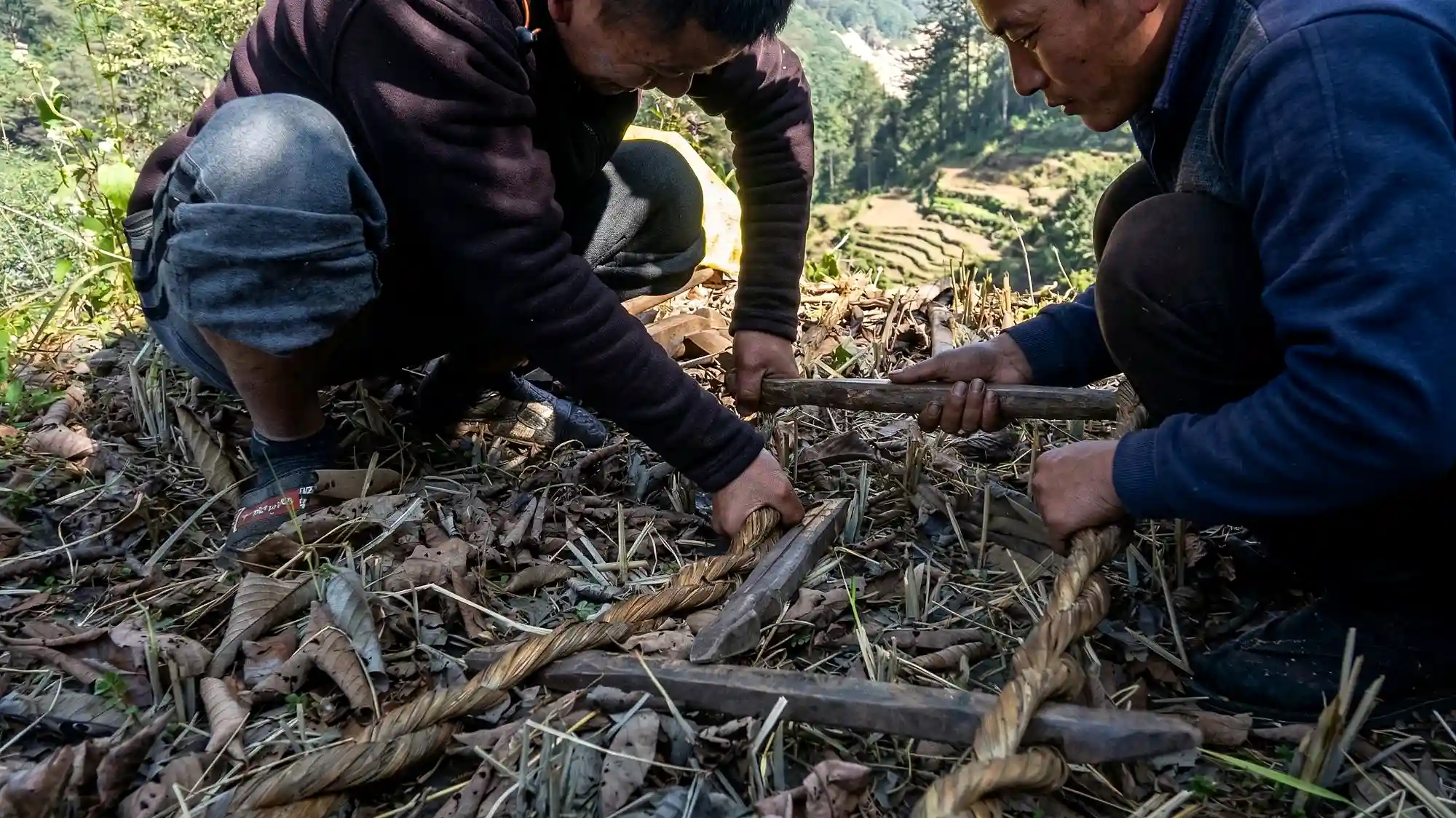
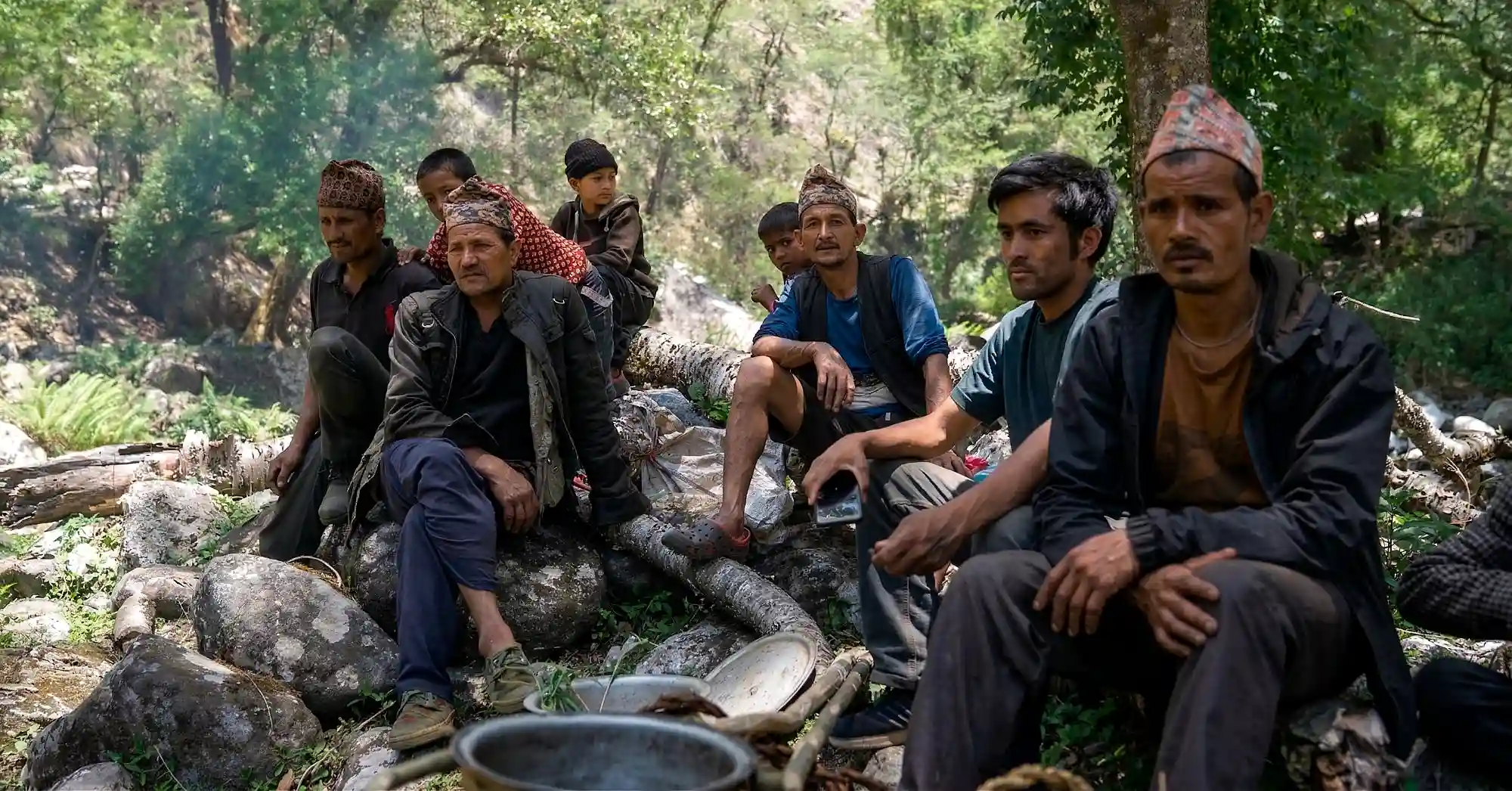
Wild cliff honey harvesting sustains remote mountain communities across the Himalayas. For many families, seasonal honey collection represents a critical economic lifeline — and an identity tied to landscape, tradition, and generational knowledge.
IMHSI works directly with these communities to ensure that standards development supports, rather than displaces, the people at the source of the supply chain. Our Mountain Livelihood Program provides alternative income options alongside fair pricing mechanisms for harvesters.
For general enquiries, visit our Contact page.